
Tripped Circuit Breakers
Understanding Frequently Tripped Circuit Breakers
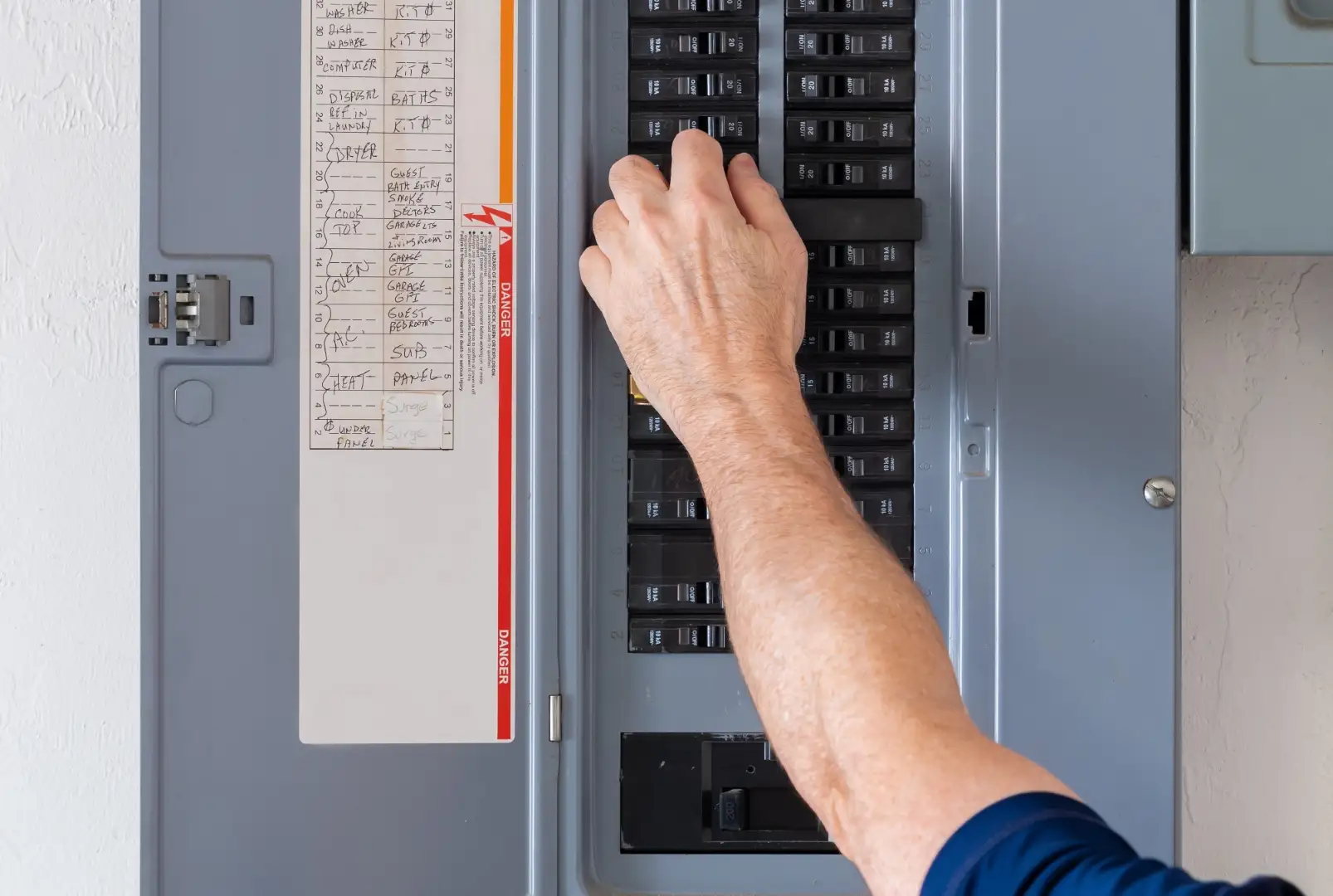
A circuit breaker is the silent guardian of your home’s electrical system. Its primary job is to protect your wiring and your home from overheating and electrical fires by cutting off power when it detects an unsafe situation. However, if you find yourself frequently heading to the panel to reset a breaker, it is a clear message from your electrical system that something is wrong.
At Detailed Electrical, we view tripped breakers as a critical diagnostic clue. While a single trip might be an isolated incident, persistent trips are not something to ignore. Our team specializes in identifying the root cause of these interruptions to restore reliable power to your home.
Why Do Breakers Trip?
There are three primary reasons a circuit breaker will “trip” or shut off. Understanding these can help you identify when you need a professional repair.
1. Circuit Overload
This is the most frequent culprit. It happens when you are pulling more power through a circuit than it is designed to carry. For example, if you have a space heater, a hairdryer, and a vacuum cleaner running on the same circuit simultaneously, the breaker will trip to prevent the wires from melting.
2. Short Circuit
A short circuit is a more serious issue. It occurs when a “hot” wire touches a “neutral” wire, creating a sudden, massive surge of electricity. A short circuit often causes a loud “pop” and is frequently accompanied by a burning smell. This indicates damaged wiring, a faulty outlet, or a damaged appliance cord.
3. Ground Fault
A ground fault happens when a hot wire touches the ground wire or a grounded part of the system (like the metal box). This is particularly common in areas where moisture is present, such as kitchens, bathrooms, or outdoors. Modern homes use GFCI (Ground Fault Circuit Interrupter) protection to detect these faults instantly and cut power to prevent shock.
Our Professional Circuit Solutions
Don’t spend your time manually resetting breakers. We can solve the issue at the source:
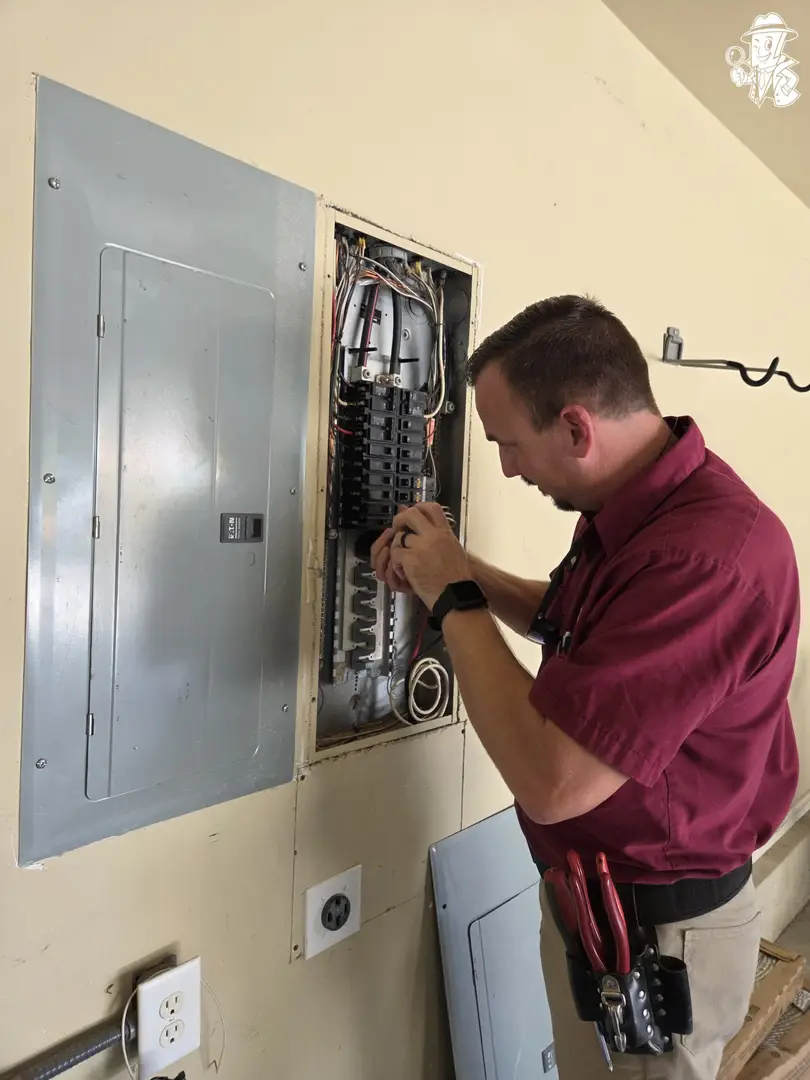
Short and Ground Fault Repair: We use professional-grade diagnostic tools to locate faults in your wiring that could be hidden behind your walls, ensuring your home is safe and compliant with current electrical codes.
Circuit Load Audits: If your lifestyle has outgrown your home’s original electrical design, we can assess your usage and suggest installing dedicated circuits for high-draw appliances like microwaves, coffee makers, or home office setups.
Breaker Replacement: Like any mechanical component, breakers can wear out over time and become hypersensitive, tripping even under normal loads. We can test and replace failing breakers.
Contact Us Today
Why Choose Detailed Electrical
Detailed Electrical is committed to delivering dependable service and high-quality workmanship. Our licensed electricians bring experience and attention to detail to every project, whether it is a simple repair or a complex installation.
We take a safety-first approach, ensuring all work meets current codes and industry standards. With a focus on customer satisfaction, we provide personalized solutions, clear communication, and reliable service you can trust.
Contact Detailed Electrical today to schedule a service and experience reliable electrical solutions you can count on.
Frequently Asked Questions
Is it safe to keep resetting my circuit breaker?
No. While it might seem convenient, resetting a breaker repeatedly ignores the reason why it tripped. If a circuit is overloaded, forcing it back on can cause wire insulation to melt, creating a fire hazard. If it is a short circuit, you are risking an electrical fire every time you reset it. If a breaker trips immediately after being reset, leave it off and call a professional.
Can a bad appliance cause a breaker to trip?
Yes. If a specific circuit only trips when a certain appliance (like an old refrigerator or space heater) is running, that appliance is likely the cause. Try unplugging that device and plugging it into a different circuit. If the breaker stops tripping, the appliance likely has a short and needs repair or replacement.
What is the difference between a fuse and a circuit breaker?
Fuses are found in older electrical panels; they work by using a thin wire that melts (burns out) to break the connection during an overload. Once a fuse blows, it must be replaced. Circuit breakers act like switches that can be flipped back on. If you still have a fuse box, it is strongly recommended that you consider an electrical panel upgrade for modern safety and convenience.
Why does my breaker trip only when it rains?
If your breaker trips during rainy weather, it is a classic sign of a ground fault, likely in an exterior outlet or landscape lighting fixture. Moisture is likely infiltrating an unsealed or damaged outdoor receptacle. This is a safety feature working as intended, but it requires immediate repair to prevent an electrocution hazard.