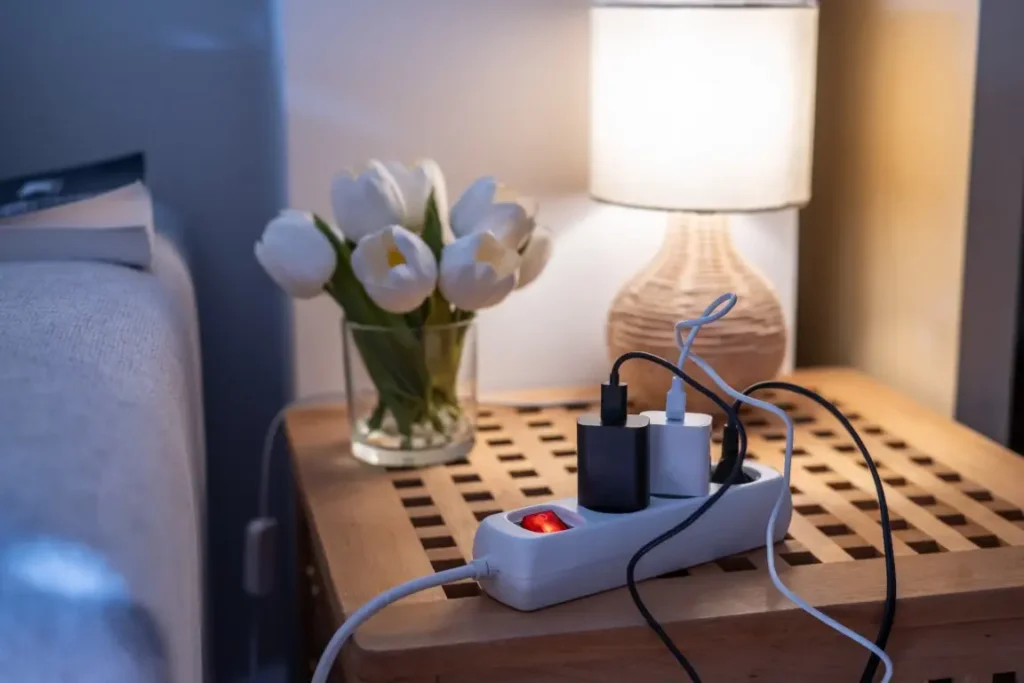
Phantom energy — also called “standby power” or “vampire power” — is the energy that’s wasted when you leave devices plugged in around your home even when you’re not actively using them. Many electronics and appliances continue drawing electricity even when they’re turned off, which can add up to a significant amount of phantom energy used over time.
When you take steps to minimize phantom energy, you can lower your power bills, extend the life of your appliances and electronics, and make your home more energy efficient. Keep reading to learn more about why phantom energy is a problem and how you can fix it.
What Is Phantom Energy?
Like we said before, phantom energy is the electricity wasted by leaving electronic devices plugged in all the time, even when you’re not actually using them. Many devices still use power even if they’re not powered on — this is how features like remote controls, digital clocks, Wi-Fi connectivity, “instant-on” functions, and software updates work. One device may not use much power on its own, but when you combine it with multiple devices found all over your home, it can quickly add up.
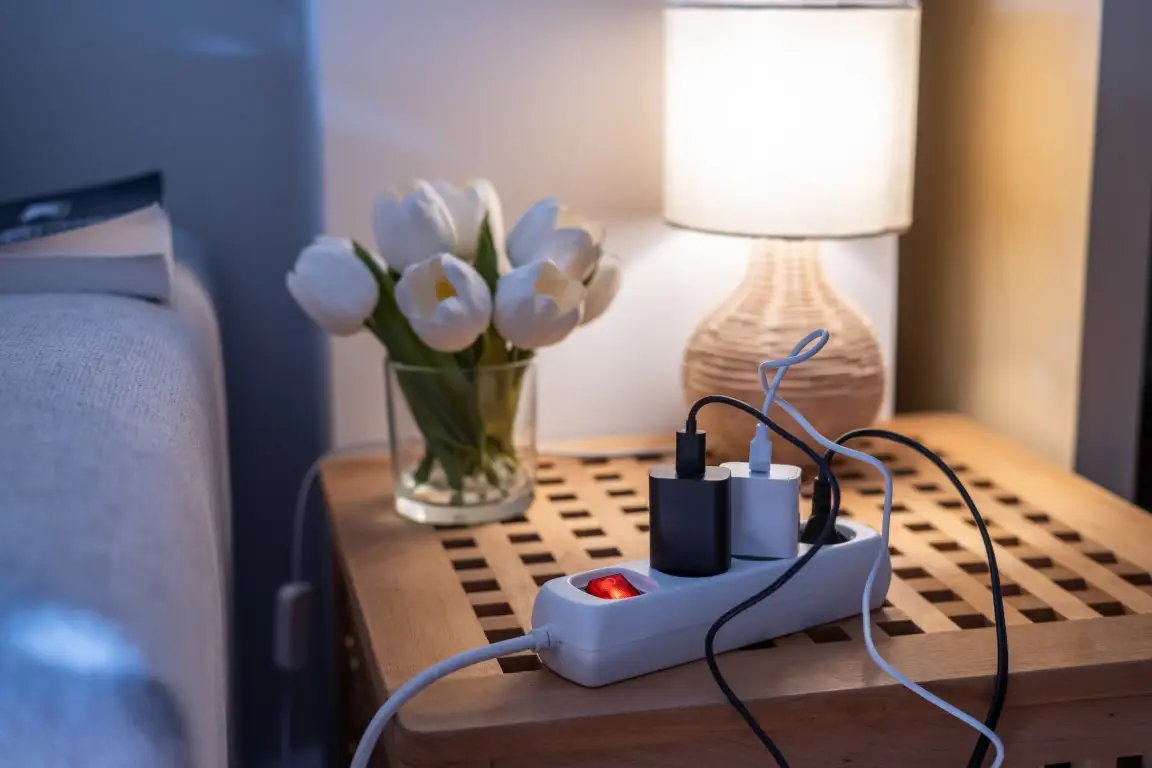
Your home may have excessive phantom energy use if your electric bills are higher than expected, there are numerous electronics plugged in throughout your home, your devices remain warm even when not in use, you use older electronics that are less energy efficient, or you have multiple power strips that stay on 24/7.
Common Household Devices That Use Standby Power
There are tons of household devices that may be using standby power without you even realizing it, such as:
- Entertainment systems: TVs, cable or streaming boxes, gaming consoles, and sound systems
- Home office equipment: Computers, printers, monitors, routers, and modems
- Kitchen appliances: Coffee makers with digital displays, microwaves, smart refrigerators, and small appliances with clocks or displays
- Chargers: Phone chargers, laptop chargers, tablet chargers, and rechargeable tool chargers that have been left plugged in
- Smart home devices: Voice assistants, smart speakers, smart plugs, smart thermostats, and home security systems
Simple Ways to Reduce Phantom Energy
Fortunately, reducing phantom energy is simple — it just requires making an effort to be aware of your energy use and building energy-saving habits.
- Unplug devices you rarely use: The simplest action to take is unplugging devices you don’t use very often. This may include seasonal decorations, electronics in the guest room, spare appliances, and chargers that aren’t actively charging anything.
- Use advanced power strips: Advanced power strips automatically cut power to devices when they’re turned off, making them great solutions for home entertainment centers, home offices, and gaming setups.
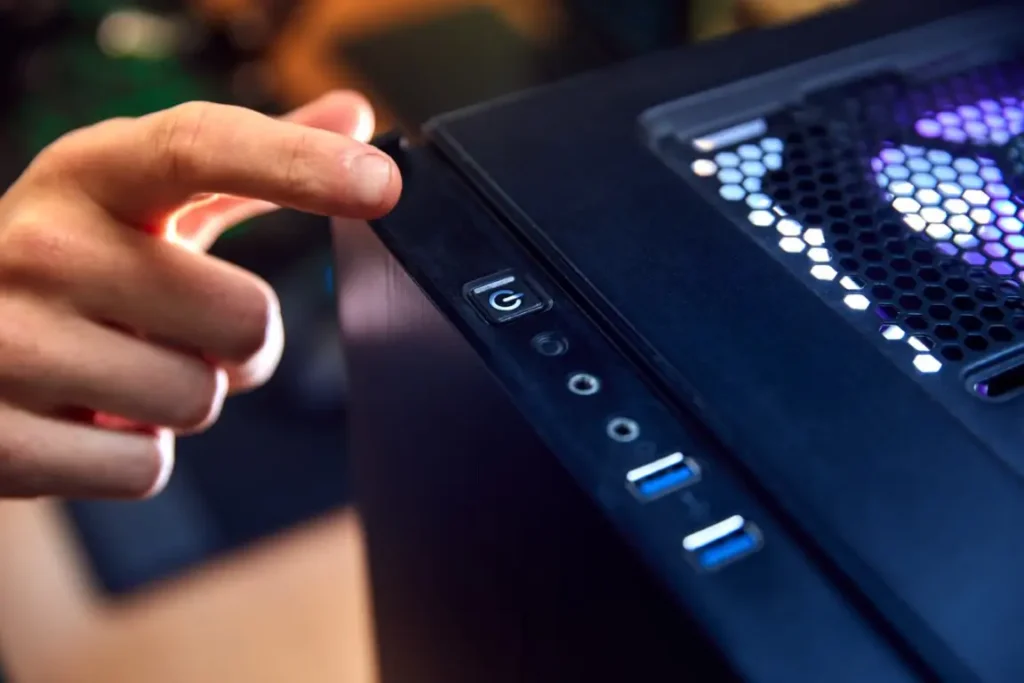
- Enable energy-saving settings: Turn on sleep mode for computers, auto-shutoff features, and power-saving modes on TVs and gaming consoles.
- Upgrade older appliances and electronics: Upgrade to Energy Star-certified products, which have been designed to use less standby power.
- Create daily household habits: Get in the habit of turning off all your devices before bed, unplugging chargers after use, and shutting down your computer instead of leaving it in sleep mode for extended periods of time.
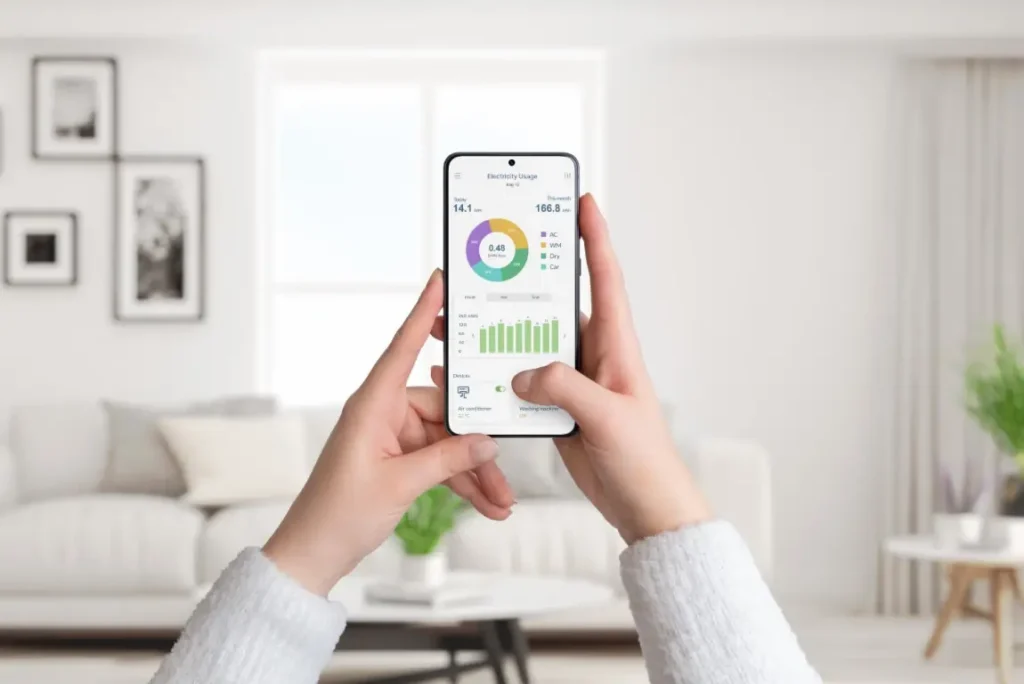
- Consider smart home solutions: There are plenty of smart home solutions out there that can help you reduce energy wastage, including smart plugs with schedules, timers for decorative lighting, and home automation routines that shut off devices overnight. You can also monitor your energy usage through accompanying smart home apps.
When Phantom Energy Could Point to an Electrical Issue
While some devices use standby energy as part of their functionality, others may draw more power than expected because of electrical faults. If your electrical bills are unusually high, it might not be due to phantom energy alone. If your high energy bills are accompanied by flickering lights, warm outlets, or buzzing switches — especially if the breakers are frequently tripped or your electrical panel is outdated — it’s a good idea to seek a professional electrical inspection to get to the bottom of the issue.
How Detailed Electrical Can Help Improve Your Home’s Energy Efficiency
If you’re looking for ways to improve your home’s energy efficiency, reach out to Detailed Electrical for help. Our certified electricians can help you identify sources of phantom energy use, install smart switches and outlets, upgrade outdated electrical panels, and identify other opportunities to improve overall efficiency. Contact us today to schedule your electrical inspection and take the first step toward a more energy-efficient home!