We have all experienced a sharp “zap” from static electricity, but shocks from your home’s electrical system are a much more serious matter. At Detailed Electrical, we want to clarify why these events occur and how to handle them.
What Actually Happens During a Shock?
When you get shocked, your body has become a path for electricity to flow to the ground. Because your nervous system operates using natural electrical signals, a foreign surge from an outlet or appliance can override your body’s signals, leading to several dangerous effects:
- Involuntary Muscle Contractions: Known as “tetany,” this occurs when current forces your muscles to lock up. This is particularly dangerous because it can prevent you from letting go of the object that is shocking you.
- Internal Damage: Electricity can pass through internal organs, potentially disrupting your heart rhythm or causing damage that isn’t immediately visible on the skin.
- Secondary Injuries: The force of muscle spasms during a shock can be strong enough to cause dislocations or broken bones.
When to Seek Help
You may feel a shock without seeing a dramatic burn, but that doesn’t mean you are in the clear. Seek medical evaluation if you experience:
- Lingering tingling, numbness, or muscle weakness.
- Confusion or difficulty breathing.
- A change in heart rhythm.
Prevention is Your Best Defense
If you notice any of these signs, your electrical system is warning you that it is no longer safe:
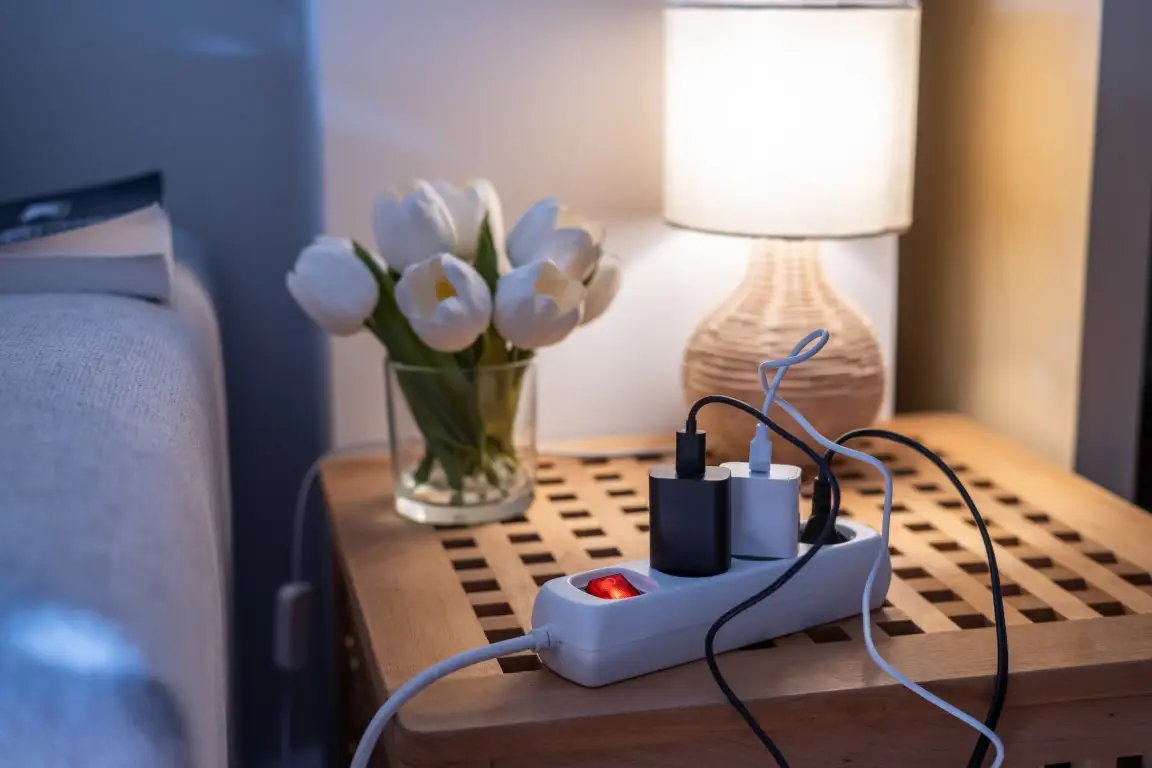
- Appliances that give you a “tingle” when you touch them.
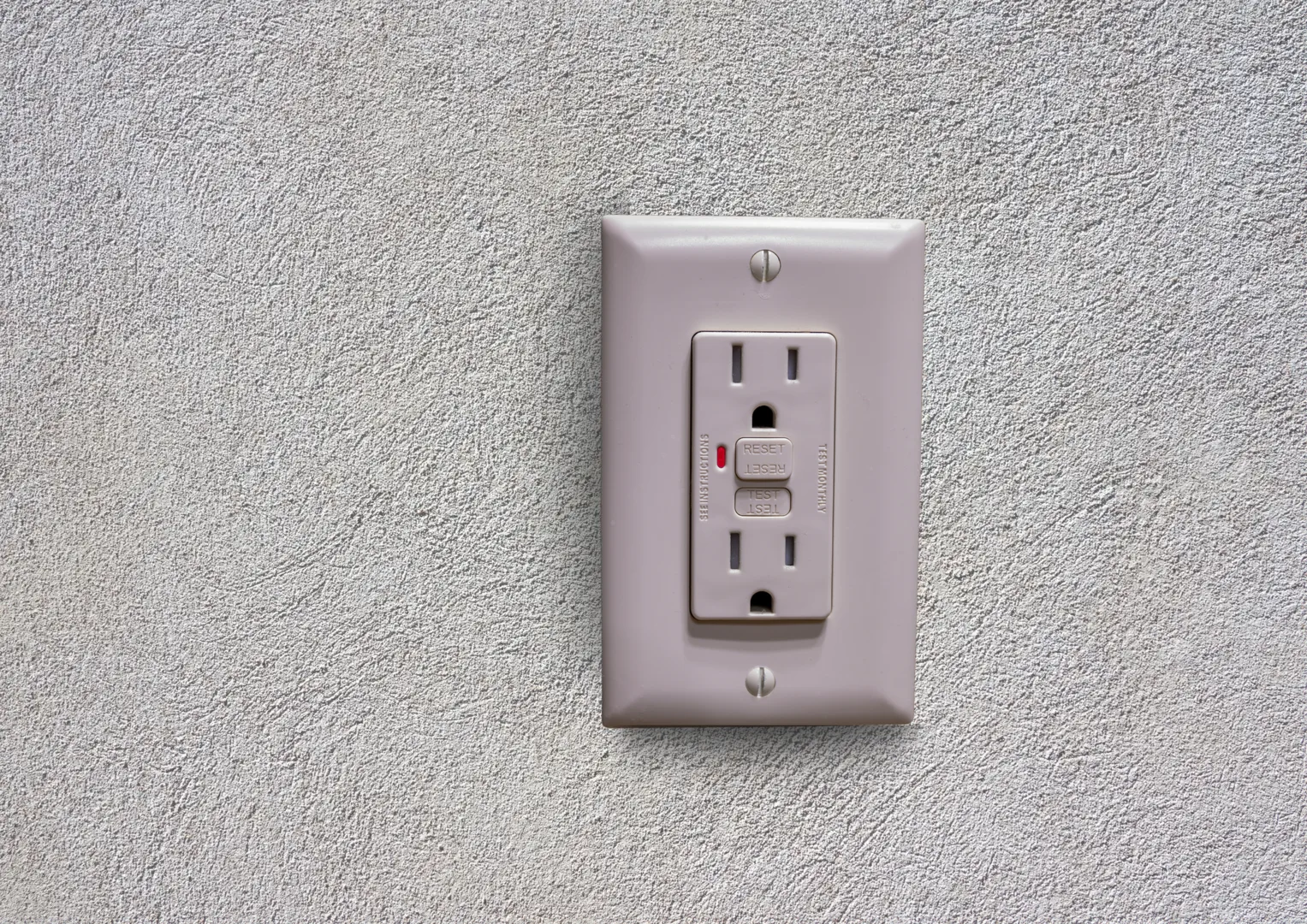
- Outlets that feel warm to the touch.
- Buzzing or humming sounds coming from walls or switches.
These are not “quirks” of your home—they are symptoms of a failed ground connection. If you notice these signs, contact us at Detailed Electrical immediately. We have the training to diagnose and resolve these hidden dangers, keeping your home a safe place for your family.