
Electrical Outlet Issues
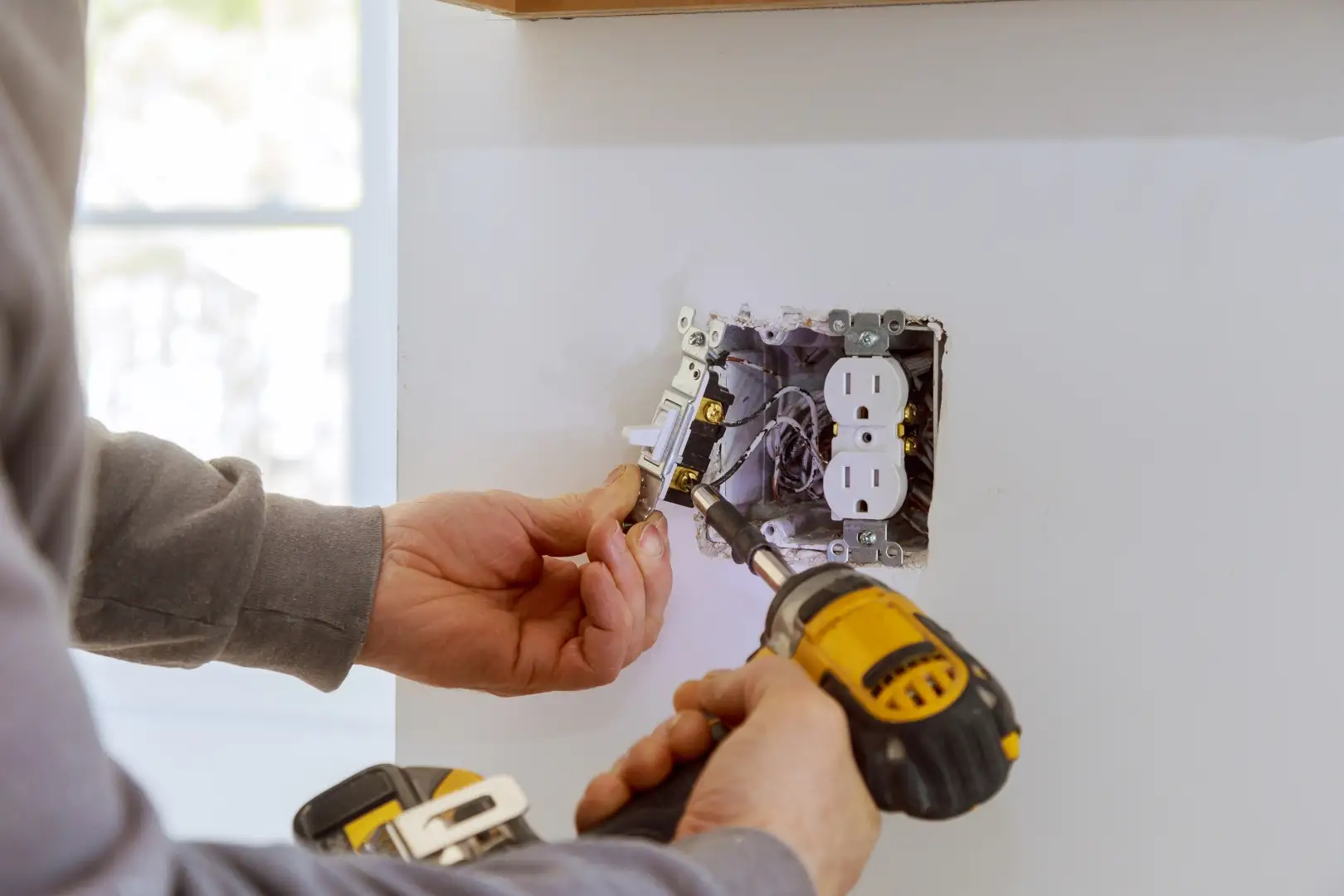
Repairing Outlet Issues
Your home’s electrical outlets are the points of connection between your appliances and your electrical system. While they are designed for durability, they can experience wear, tear, and malfunctions over time. Because electricity is essential to your daily comfort and safety, recognizing when an outlet is failing is critical to protecting your property from potential hazards like electrical fires or shocks.
At Detailed Electrical, we prioritize safety and performance. If you are experiencing issues with your outlets, our team provides professional troubleshooting, repair, and replacement services to ensure your home remains safe and fully functional.
Common Signs Your Outlets Need Attention
Many homeowners overlook outlet issues until they become major problems. However, your electrical system often provides subtle (and sometimes obvious) warning signs before a complete failure occurs. Keep an eye out for these indicators:
Buzzing or Humming: You should not hear your outlets. A persistent buzzing sound usually indicates loose wiring or a failing component inside the electrical box.
Loose or Wobbly Outlets: If your plugs fall out of the outlet easily or the outlet itself feels loose against the wall, it is a sign of internal wear. Loose connections cause arcing, which can generate dangerous levels of heat.
Burning Smells or Discoloration: Any acrid, plastic, or “fishy” odor near an outlet is an immediate emergency. Similarly, if you notice brown or black discoloration on the outlet faceplate or the wall around it, the outlet is likely overheating and must be replaced immediately.
Warmth to the Touch: An outlet should never feel warm. Heat indicates that the device is overloaded, the wiring is loose, or there is an internal fault that could lead to a fire.
Frequent Circuit Breaker Trips: If a specific outlet consistently causes your breaker to trip, it suggests an overloaded circuit or a short circuit within the outlet itself.
Sparking: Seeing small sparks when you plug in or unplug a device is a sign that electricity is jumping between connections. This is a fire hazard and should be investigated by a licensed electrician.
Contact Us Today
Our Professional Outlet Services
At Detailed Electrical, we don’t just “patch” problems; we diagnose the root cause to ensure the repair lasts. Our services include:
Diagnostics and Troubleshooting
If you have a “dead” outlet, it may not be the outlet itself. Sometimes, the issue lies in a tripped GFCI, a faulty breaker, or an issue with the circuit wiring. We use professional tools to test voltage and continuity to identify exactly where the failure is occurring.
Outlet Upgrades and Replacements
Older homes often feature outdated two-prong (non-grounded) outlets or standard outlets in areas where they should not be. We specialize in upgrading your system to modern safety standards, including:
Modern Grounded Outlets: Replacing old two-prong outlets to accommodate modern appliances safely.
GFCI Protection: Essential for kitchens, bathrooms, and outdoor areas to prevent electrical shock near water.
Tamper-Resistant Outlets: A crucial safety feature for homes with young children.
Circuit Load Assessment
If you are constantly tripping breakers, your circuits may be overloaded. We assess your electrical demand and can help you redistribute loads or add dedicated circuits to keep your system running smoothly without interruptions.
Why Professional Service Matters
Electrical work is high-stakes. While some minor home maintenance tasks are suitable for DIY, electrical repairs involve complex wiring codes and fire safety standards. Improper repair such as loose wire nuts, incorrect gauge wiring, or failing to address grounding issues—can create hidden dangers inside your walls. Our licensed electricians ensure that every repair meets current local and national codes, giving you peace of mind that your home is secure.
Frequently Asked Questions
Why does my outlet feel warm to the touch?
An outlet that feels warm is a sign of a serious electrical problem. It often indicates that the wires behind the outlet are loose, the circuit is overloaded, or the outlet itself has reached the end of its lifespan. You should stop using that outlet immediately and contact a professional to inspect it, as warm outlets are a leading cause of electrical fires.
Can I just replace a two-prong outlet with a three-prong outlet?
Simply swapping a two-prong outlet for a three-prong version is dangerous if your home does not have a proper ground wire connected to that box. Without a ground wire, you are creating a “false sense of security” that can lead to shock hazards or damage to your sensitive electronics. A licensed electrician can test your system to determine if a safe upgrade is possible or if GFCI protection is a better alternative.
What is a GFCI outlet and do I need one?
A Ground Fault Circuit Interrupter (GFCI) is a specialized outlet designed to shut off power in a fraction of a second if it detects a ground fault—essentially, if the electricity comes into contact with water or a person. They are required by building codes in wet or damp locations like bathrooms, kitchens, laundry rooms, garages, and outdoors. If you have standard outlets in these areas, you should have them replaced with GFCI outlets for your protection.
How do I know if I have an electrical emergency?
You have an electrical emergency if you notice burning smells, visible smoke or sparks coming from an outlet, or if you receive a physical shock when touching a switch or outlet. In these cases, turn off the power at your main breaker panel immediately and contact a professional electrician. Do not attempt to use the outlet again until it has been professionally repaired.